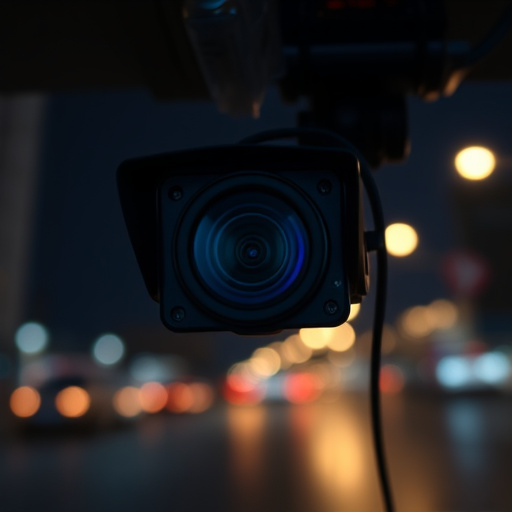
Identifying hidden surveillance devices requires strategic placement of mock cameras in high-risk areas like entry points, offices with sensitive data, and common spaces. Professionals use advanced tech like thermal imaging and sound localization to detect covert listening devices, employing decoys like mirrors and fake power sockets to mislead intruders. These most effective mock camera locations ensure comprehensive counter surveillance sweeps for safeguarding privacy and sensitive information.
Counter surveillance sweeps are essential for professionals ensuring privacy and security. This comprehensive guide delves into the art of identifying hidden cameras, utilizing advanced detection techniques, and executing thorough sweeps. Learn about the most effective mock camera locations, from subtle to obvious, to safeguard against covert recording devices. By mastering these professional methods, you’ll be equipped to navigate today’s digital landscape with enhanced confidence and peace of mind.
- Identifying Potential Mock Camera Spots
- Advanced Techniques for Detection
- Executing a Comprehensive Counter Surveillance Sweep
Identifying Potential Mock Camera Spots
When conducting a counter surveillance sweep, identifying potential mock camera spots is a crucial step in ensuring your safety and privacy. The most effective mock camera locations are often places where hidden cameras can go unnoticed but still capture sensitive information. Look for areas with natural cover, such as corners behind furniture or inside cabinets, as these provide visual concealment. Additionally, pay attention to high traffic zones like hallways, entryways, and common areas where unauthorized devices might be placed to monitor movement.
Examine every nook and cranny, including ceiling corners, light fixtures, mirrors, and even electrical outlets. Professional sweep teams use specialized equipment to detect hidden cameras, but a keen eye for detail can also uncover mock surveillance devices. Remember, the goal is not just to find visible cameras but to anticipate less obvious placement strategies that could be employed by determined watchmen.
Advanced Techniques for Detection
In the realm of counter surveillance, advanced techniques for detection have evolved to counter even the most elusive forms of covert listening devices. One of the most effective mock camera locations involves strategically placing non-descript objects that double as potential surveillance equipment. For instance, small, high-quality mirrors can be attached to walls or ceilings, reflecting light in such a way that they mimic the appearance of cameras, while actually being invisible to the naked eye. Similarly, fake power sockets or vents can serve as cover for bug detectors, making it difficult for intruders to identify their true purpose.
The use of thermal imaging technology is another sophisticated method to uncover hidden surveillance equipment. Unlike traditional cameras, thermal imagers detect heat signatures, making them invaluable in identifying devices that emit unusual warmth, such as hidden microphones or video recorders. Additionally, advanced sound localization techniques can pinpoint the source of audio signals, helping professionals locate and neutralize covert listening devices without raising suspicion. By combining these most effective mock camera locations and cutting-edge technologies, counter surveillance sweeps become more thorough and successful in protecting sensitive information from prying eyes.
Executing a Comprehensive Counter Surveillance Sweep
When executing a comprehensive counter surveillance sweep, professionals must employ strategic techniques to identify and neutralize potential hidden cameras or listening devices. One effective method is to utilize mock camera locations, strategically placed to mimic real security equipment but designed to expose covert observation points. By setting up realistic-looking fake cameras in various areas, from ceiling corners to door handles, experts can uncover hidden surveillance equipment that might otherwise go unnoticed.
The most effective mock camera locations often replicate high-risk zones within a facility or area of interest. This includes entry and exit points, conference rooms, offices with sensitive information, and common areas where individuals may engage in private conversations. By simulating these environments, counter surveillance teams can conduct thorough inspections and utilize advanced technology to detect any form of unauthorized electronic monitoring.
In conclusion, executing a successful counter surveillance sweep requires a thorough understanding of identifying potential mock camera spots, employing advanced detection techniques, and mastering comprehensive sweep methodologies. By recognizing the most effective mock camera locations using innovative tools and strategies, professionals can ensure maximum protection against covert surveillance. This guide equips individuals with the knowledge to navigate complex situations, fostering a safer environment in today’s digital era.