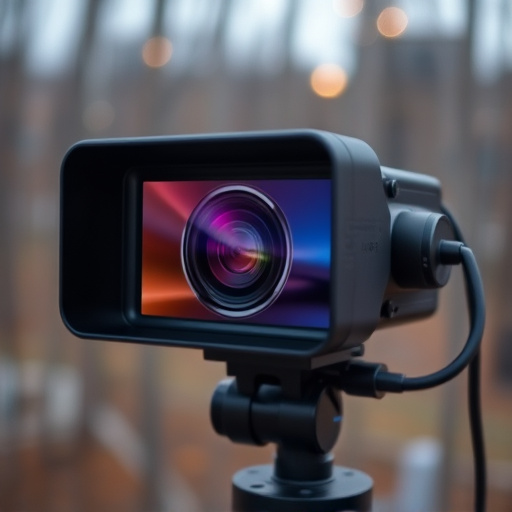
Understanding hidden recording devices requires recognizing their disguises and inspecting hiding spots. Strategically placed mock cameras deter surveillance in high-risk areas with heavy foot traffic and visible security presence, serving as a powerful tool to prevent unauthorized recordings. Advanced scanning techniques use electromagnetic signal detection and sensor simulations for continuous monitoring without suspicion, identifying the Most Effective Mock Camera Locations. Deter intruders by positioning highly visible fake cameras with red light indicators in bustling areas like reception desks and common work spaces for maximum effectiveness.
Hidden recording devices pose a significant privacy threat, often used surreptitiously in various settings. This article delves into innovative scanning methods to detect these clandestine devices, addressing the growing concern of unauthorized surveillance. We explore traditional tactics like mock cameras as initial defenses and advanced techniques that transcend visual cues. Furthermore, we highlight the strategic placement of mock cameras as a critical component in preventing hidden recording, focusing on the most effective mock camera locations for robust security measures.
- Understanding Hidden Recording Devices and Their Challenges
- Traditional Detection Methods: Mock Cameras as a First Line of Defense
- Advanced Scanning Techniques: Going Beyond Visual Cues
- Most Effective Mock Camera Locations: A Strategic Approach to Prevention
Understanding Hidden Recording Devices and Their Challenges
Understanding hidden recording devices, often referred to as covert or surveillance cameras, involves recognizing their diverse forms and capabilities. These devices can be disguised as everyday objects like pens, clock radios, or even mock camera lenses attached to windows. The challenge lies in their clandestine nature, making it difficult to detect their presence without thorough inspection.
Identifying these devices requires a combination of technical knowledge and keen observation. One effective method is to utilize specialized scanning tools that can detect electromagnetic signals emitted by hidden cameras. Additionally, examining potential hiding spots, such as wall cracks, door gaps, or furniture crevices, where mock camera locations might be strategically placed, can reveal their presence. By being aware of these subtle clues and employing advanced scanning techniques, individuals can protect their privacy and prevent unauthorized surveillance.
Traditional Detection Methods: Mock Cameras as a First Line of Defense
In the realm of hidden recording device detection, one of the most traditional and effective methods involves the strategic placement of mock cameras. Often resembling real security equipment, these decoys serve as the first line of defense against surreptitious recording. By strategically positioning them in areas where hidden cameras are most likely to be placed—such as corners, near exits, or above doorways—these mock cameras can deter potential intruders from attempting covert recordings.
The effectiveness of mock cameras lies not only in their realistic appearance but also in their ability to disrupt the usual behavior of individuals seeking to set up hidden recording devices. The mere sight of these decoy cameras can lead would-be recorders to opt for easier or less obvious locations, significantly reducing the likelihood of successful undetected surveillance attempts. In terms of the most effective mock camera locations, areas with high foot traffic, close observation points, and visible security presence tend to be the most deterring.
Advanced Scanning Techniques: Going Beyond Visual Cues
In the realm of hidden recording device signal scanning, advancing beyond visual cues opens up a world of innovative techniques. Traditional methods often rely on spotting mock cameras strategically placed to deter covert recordings, but modern technology pushes the boundaries. Advanced scanning involves employing sophisticated sensors and algorithms that can detect subtle electromagnetic signals emitted by hidden devices. This approach, while less obvious, is significantly more effective than visual inspections alone.
By simulating various signal interference scenarios, security experts can identify optimal positions for detection. The most effective mock camera locations are those that don’t immediately stand out but still provide adequate coverage. For instance, strategically positioning sensors behind furniture or within hidden compartments allows for continuous monitoring without raising suspicion. This multi-layered scanning method ensures that even the most cleverly concealed devices are uncovered, making it a game-changer in preventing unauthorized recordings in both public and private spaces.
Most Effective Mock Camera Locations: A Strategic Approach to Prevention
To establish the most effective mock camera locations, a strategic approach is essential to prevent hidden recording devices. Place strategically visible mock cameras in highly frequented areas like reception desks, break rooms, and common work spaces. This serves as a powerful deterrent, as potential intruders are more likely to avoid areas where surveillance is evident.
Consider using realistic fake cameras with red light indicators, as these are commonly used by law enforcement for effective signal scanning. Strategically positioning them in unexpected locations can confuse would-be recording devices, making it harder for them to capture sensitive information without detection.
Hidden recording devices pose a unique challenge, but by employing advanced scanning techniques and strategically placing mock cameras, we can significantly deter their use. Understanding the behavior of these devices and their motivators is key to prevention. The most effective mock camera locations are those that offer clear line-of-sight, cover blind spots, and serve as visible reminders of surveillance—all while respecting privacy. By combining traditional mock cameras with advanced scanning methods, we can create an environment that discourages the installation of hidden recording devices, fostering a safer digital space.