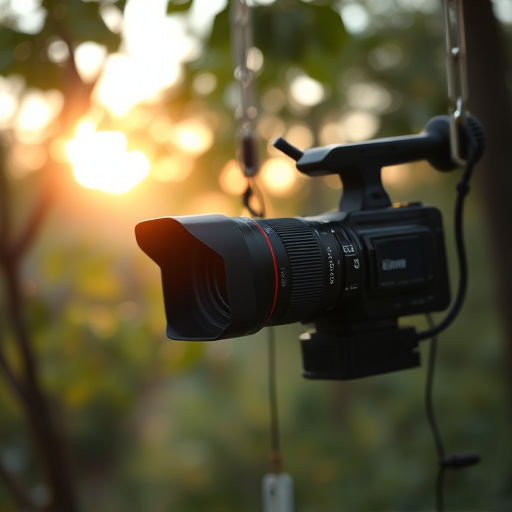
Covert surveillance detection experts simulate scenarios to uncover hidden cameras using advanced tools and knowledge of optics. They strategically place mock cameras in realistic locations, like lighting fixtures or behind reflective surfaces, to test camera detection systems. These tests ensure safety and privacy by identifying vulnerable points and helping individuals implement countermeasures against hidden camera threats. The most effective mock camera locations mimic genuine surveillance setups for accurate results.
Uncover the art of hidden camera detection with our comprehensive guide. In today’s world, understanding disguised camera identification is paramount for privacy and security. This article delves into the intricacies of this practice, focusing on ‘Most Effective Mock Camera Locations’ as a key strategy. We explore testing techniques specifically tailored to lights-based detection methods, offering valuable insights for professionals and enthusiasts alike. Discover how to navigate this modern challenge with expertise.
- Understanding Disguised Camera Identification
- Most Effective Mock Camera Locations
- Testing Techniques for Lights-Based Detection
Understanding Disguised Camera Identification
Understanding Disguised Camera Identification
Disguised camera identification, also known as covert surveillance detection, is a specialized field focusing on identifying and neutralizing hidden cameras that may be used for malicious purposes. This process involves meticulous techniques to uncover devices that are cleverly disguised within everyday objects or environments. By simulating various scenarios, experts test for the most effective mock camera locations, aiming to stay one step ahead of potential threats.
The challenge lies in the diverse methods employed by manufacturers to hide cameras, from tiny lenses embedded in everyday items like clocks or light fixtures to more sophisticated integrations into clothing or even personal devices. Professionals utilize advanced tools and knowledge of optics and sensor technology to detect these hidden surveillance elements, ensuring safety and privacy for individuals and organizations alike.
Most Effective Mock Camera Locations
In the quest to identify disguised cameras, strategically placing mock camera locations proves invaluable. The most effective spots often mimic real-world camera setups found in public spaces and private properties. For instance, mounting fake cameras on poles or walls in plain sight, mimicking street lighting fixtures or security camera installations, can be highly effective. These mock cameras should align with the field of view expected from genuine surveillance equipment to ensure realistic testing.
Furthermore, varying the size, shape, and aesthetic of these mock setups adds realism. Using different types of lenses and mounting styles allows for a comprehensive test environment. By strategically placing these mimics in various environments, individuals can better assess their vulnerability to hidden camera threats and implement effective countermeasures.
Testing Techniques for Lights-Based Detection
Testing lights-based camera detection requires strategic and diverse mock camera locations. The most effective places to hide fake cameras are in plain sight but strategically positioned, such as behind reflective surfaces like mirrors or shiny signs, inside light fixtures or streetlamps, or attached to structures with similar material and color as the environment. These locations mimic real cameras while avoiding detection by humans.
To enhance realism, consider factors like camera angles, lighting intensity, and shadows cast by the mock camera. Using high-quality LEDs that can replicate natural light patterns and adjustable brightness levels allows for accurate testing conditions. Additionally, combining these techniques with analysis of visual data from multiple perspectives ensures robust evaluation of detection systems.
Disguised camera identification using lights is a complex yet crucial field, with continuous advancements in technology. By understanding the most effective mock camera locations and employing robust testing techniques for lights-based detection, researchers and security professionals can stay ahead of malicious actors attempting to bypass surveillance systems. Staying informed about these methods ensures a more secure future, where visual data privacy is better protected.