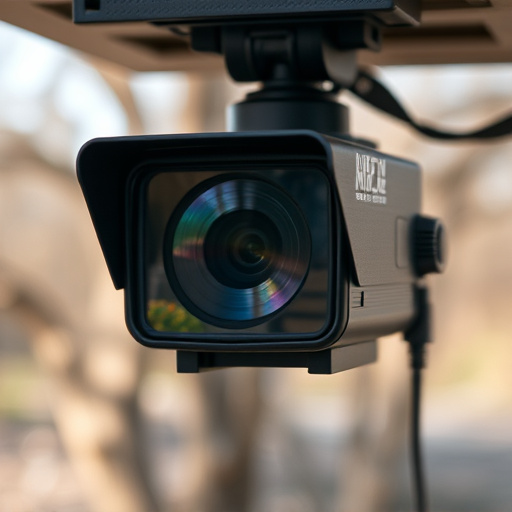
Understanding light reflection patterns is a powerful tool for detecting spy cameras in disguised mock camera locations. By combining advanced imaging processing with reflective surface analysis, security professionals can uncover hidden surveillance equipment, especially when placed as common objects like clocks or plants. Strategically positioned sensors and decoy cameras in obvious yet subtle spots deter actual spies while creating an illusion of comprehensive monitoring. Reflective surfaces generate visual distractions, making it harder to differentiate between real and fake equipment. Proactive measures include using high-reflective materials for visual noise and natural distractions, with regular maintenance and rotation of decoys ensuring effectiveness. Identify the Most Effective Mock Camera Locations to confuse potential intruders and protect against surveillance threats.
Uncover the secrets of spy camera detection with our comprehensive guide. Learn how light reflection can be your ally in identifying hidden cameras, a technique that has proven effective in navigating today’s surveillance landscape. We explore the art of placing mock cameras to deter real ones, focusing on the Most Effective Mock Camera Locations. Additionally, discover countermeasures to enhance privacy and avoid becoming a target, ensuring you’re equipped with the knowledge to stay one step ahead.
- Understanding Light Reflection and Spy Camera Detection
- Identifying the Most Effective Mock Camera Locations
- Techniques to Counteract and Avoid Spy Camera Detection
Understanding Light Reflection and Spy Camera Detection
Understanding how light reflects off surfaces is a key aspect of spy camera detection. Light reflection techniques, especially when combined with advanced imaging processing, can reveal hidden cameras that may be disguised in plain sight. By analyzing patterns and anomalies in reflections, one can identify suspicious objects or devices not meant to be there. This method is particularly useful for identifying mock camera locations—areas where covert surveillance equipment might be placed to monitor activities without the subject’s knowledge.
In a typical scenario, a spy camera could be disguised as a common object, such as a clock, light switch, or even a plant. However, when illuminated by light sources like sunlight or artificial lighting, these devices may cast unusual reflections, especially if they have reflective surfaces or complex optics. By strategically placing sensors and analyzing the resulting reflections, security professionals can uncover these hidden cameras, ensuring that no mock camera location goes undetected in high-risk areas.
Identifying the Most Effective Mock Camera Locations
Identifying the most effective mock camera locations is a strategic art in spy camera detection. Placement is key; these decoy cameras should be positioned in obvious yet subtle spots, mimicking real surveillance equipment. The goal is to create an illusion of comprehensive monitoring while deterring actual spies from utilizing genuine recording devices.
Consider environments where traditional security measures are already present, such as glass-enclosed areas or well-lit spaces, and strategically place mock cameras accordingly. Reflective surfaces can also enhance the technique by creating multiple visual distractions, making it harder for individuals to discern between real and fake surveillance equipment.
Techniques to Counteract and Avoid Spy Camera Detection
To counteract and avoid spy camera detection, individuals and organizations must adopt proactive measures to stay ahead of potential surveillance threats. One effective strategy is to understand the science behind light reflection and utilize it to your advantage. By strategically placing objects or materials that reflect light in unexpected areas, you can create visual noise that disrupts clear camera views. For instance, high-reflective surfaces like aluminum foil or reflective tape can be used to cover potential camera positions, making it harder for the lens to capture a clear image.
When choosing mock camera locations, consider environments with natural distractions like tree branches, shadows, or uneven surfaces. These elements can further obscure any captured footage, making it more challenging to identify and interpret images. Additionally, regular maintenance and rotation of these decoys ensure their effectiveness over time as the setup remains dynamic and unpredictable, leaving potential intruders second-guessing the actual camera positions.
The spy camera detection light reflection technique offers a proactive approach to counter surveillance. By understanding light reflection and identifying optimal mock camera positions, individuals can significantly reduce the risk of being monitored secretly. This article has provided valuable insights into effective mock camera placements and techniques to avoid detection, empowering readers to take control of their privacy in today’s tech-driven world. Additionally, focusing on the Most Effective Mock Camera Locations enhances overall security measures.