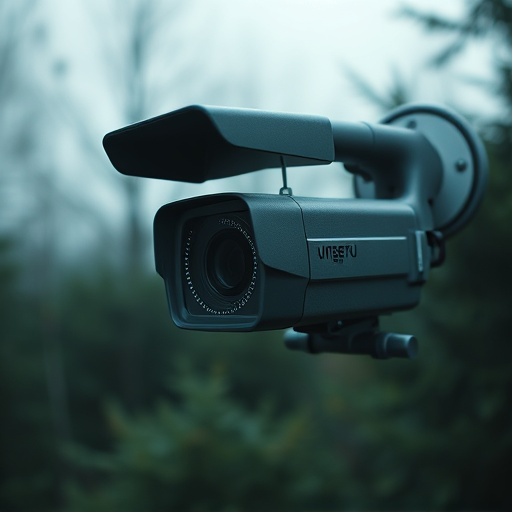
Placing strategically positioned mock cameras in hidden yet obvious locations like corners, high-traffic areas, entry points, and near windows/doors enhances security by creating an illusion of comprehensive surveillance, deterring intruders. Balancing realism and deception involves blending decorative housings with actual camera types (fixed or PTZ) for maximum effectiveness in identifying vulnerabilities while masking the true security system layout.
In the realm of physical security, enhancing surveillance while maintaining discretion is an art. This guide delves into the most effective mock camera locations, offering a comprehensive strategy for reinforcing security measures without compromising secrecy. From understanding target areas to deploying and maintaining these devices, we explore proven techniques. Discover how the clever use of fake cameras can deter crime, providing a robust yet undetectable layer of protection in today’s digital era.
- Choosing the Right Mock Camera Locations
- – Understanding the environment and target areas
- – Factors to consider when selecting mock camera positions
Choosing the Right Mock Camera Locations
Choosing the right mock camera locations is a crucial step in enhancing security. The most effective mock camera locations should mimic real surveillance points while remaining hidden. These could include strategic spots like corners, high traffic areas, and entry/exit points. By placing these decoys thoughtfully, you create an illusion of comprehensive coverage, deterring potential intruders.
Consider environments where visibility is key—windows, doors, and open spaces—and utilize reflective surfaces or strategically placed lights to enhance their effectiveness. Remember, the goal is not just to install mock cameras but to create a convincing security network that tricks would-be thieves into believing they’re under constant watch.
– Understanding the environment and target areas
Understanding your surroundings and the areas you want to monitor is a crucial first step in setting up security camera concealment. Identify high-risk zones, such as entry points, valuable asset locations, or areas with potential privacy concerns. These may include doors, windows, safes, cash registers, and sensitive data storage rooms. By studying the environment, you can strategically place mock cameras to deter criminals and create a false sense of surveillance.
The most effective mock camera locations often mimic real security equipment while remaining hidden. Place them in areas that provide clear views but are less obvious to potential intruders. For example, use decorative items like outdoor plant pots, weather-resistant boxes, or even fake power boxes as housings for dummy cameras. Ensure these devices blend seamlessly with the surroundings and do not attract unwanted attention.
– Factors to consider when selecting mock camera positions
When choosing mock camera positions, several factors come into play for an effective security system. The goal is to create a realistic appearance of surveillance while maintaining deception. Firstly, consider the environment and the types of cameras you aim to mimic. Are they fixed or pan-tilt-zoom (PTZ)? Different camera models have distinct shapes and mounting styles, so selecting mock positions that align with these variations ensures authenticity. For instance, strategically placing fake PTZ cameras on rooftops or in elevated areas can deter potential intruders.
Additionally, the placement should consider line of sight and blind spots. Positioning mock cameras to cover crucial entry points, such as windows, doors, and access points, is vital. By replicating real camera coverage, you create a false sense of security for would-be thieves, making it harder to identify weak points in your home or business’s defense system. Remember, the most effective mock camera locations are those that blend realism with strategic deception.
Identifying the most effective mock camera locations involves a strategic understanding of your environment and target areas. By carefully considering factors such as visibility, angles, and potential hiding spots, you can create an intricate security network that deterrs theft and vandalism. Incorporating these techniques ensures a robust layer of protection for businesses and homes alike, ultimately enhancing overall security measures.